
a

Training & Resources

muddy puddle teacher logo

The Muddy Puddle Teacher ®

Leading with Outdoor Learning and Outdoor Play

Home 9 Outdoor Learning Special Needs Resources 9 Outdoor Dyscalculia Handbook
Outdoor Dyscalculia Handbook

Outdoor Dyscalculia Handbook

Download

Outdoor Learning and Maths Support for Children with Dyscalculia

Looking for practical outdoor learning ideas for children with dyscalculia? The Outdoor Dyscalculia Handbook helps teachers, teaching assistants, SENDCos and parents use movement, nature and hands-on outdoor activities to support number confidence, maths understanding and emotional wellbeing. If you are new to outdoor learning, head to our Beginners Guide to SEND Outdoors to get the basics first.

This handbook is ideal for:

  • dyscalculia support
  • outdoor maths activities
  • SEND maths intervention
  • outdoor learning for maths
  • children who struggle with number
  • practical maths outdoors
  • EYFS, KS1 and KS2 support
  • nurture groups and intervention work

It gives you simple, low-pressure ways to help children experience maths through real objects, movement and nature.

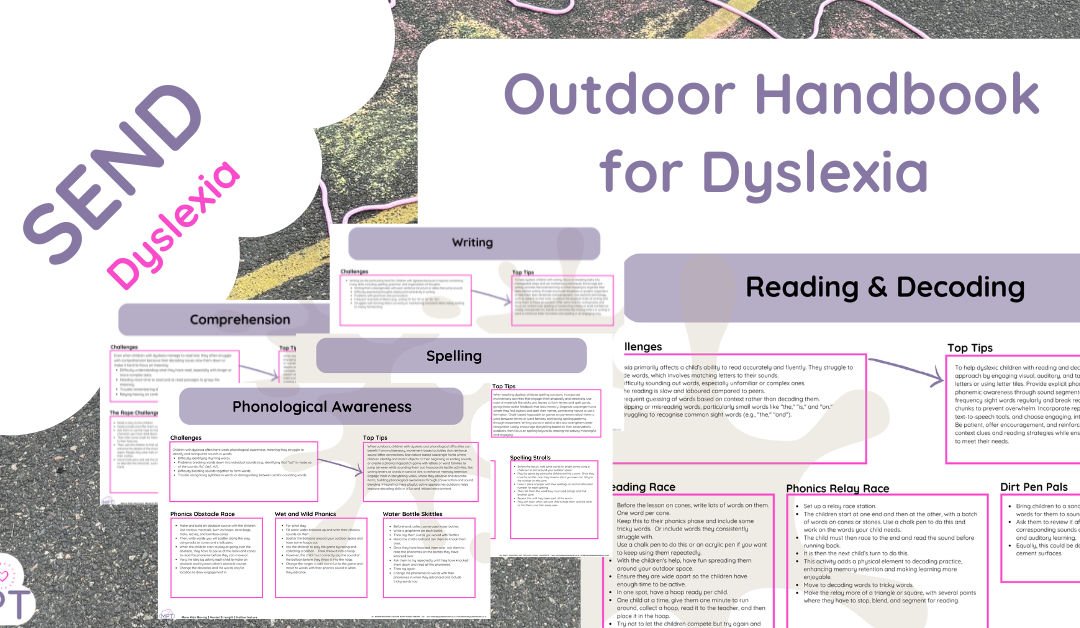
Also looking for a handbook on Outdoor Learning to Support Dyslexia?

Outdoor Handbook Dyslexia


What is the Outdoor Dyscalculia Handbook?

The Outdoor Dyscalculia Handbook is a practical outdoor learning resource designed to support children who find number, counting, sequencing, time, patterns, place value or maths confidence difficult.

For children with dyscalculia, maths can feel overwhelming, abstract and stressful. Outdoor learning can help by making maths more physical, visual, sensory and meaningful.

The handbook supports children with:

  • number sense
  • counting confidence
  • recognising quantity
  • comparing amounts
  • patterns and sequences
  • spatial awareness
  • practical problem-solving
  • maths vocabulary
  • confidence and self-esteem

It is not about rushing children through maths.
It is about helping maths make sense.

Supporting SEND is about inclusive, supportive and often bespoke methods.  Head to our SENDCO-created SEND Outdoor Activity Hub for more ideas.

New to Outdoor Maths Support? Start Here

If supporting dyscalculia feels overwhelming, start small.

You do not need a full outdoor maths lesson or lots of equipment. Begin with one short, hands-on experience that helps children see and feel number in a real way.

Try:

  1. A 5-minute counting walk
  2. A simple sorting task using natural objects
  3. A movement-based number game

The aim is not to test the child.
The aim is to help them feel safe enough to explore maths. Start now with a 60-day free trial. 

Try This Tomorrow

If you only do one thing, try a simple outdoor sorting moment.

Collect a few natural objects such as leaves, sticks, stones or cones. Ask children to sort them in a way that makes sense to them — by size, colour, shape, texture or type. Then gently introduce maths language such as more, fewer, bigger, smaller, same and different.

Time: 5–10 minutes
Prep: Very low
Best for: early number sense, comparison, sorting, vocabulary and confidence

This is the kind of simple, practical maths experience the Outdoor Dyscalculia Handbook helps you build on.

Why Outdoor Learning Helps Children with Dyscalculia

Children with dyscalculia often need maths to be concrete, repeated, visual and connected to real life.

The outdoors naturally supports this. Children can move, touch, compare, group, count, order and explore using real objects instead of only looking at numbers on a page.

Outdoor dyscalculia support can help children:

  • understand quantity through real materials
  • build confidence with counting
  • practise maths language naturally
  • reduce maths anxiety
  • learn through movement
  • develop spatial awareness
  • repeat concepts without pressure
  • experience success away from worksheets

For some children, taking maths outside can remove the fear and bring back curiosity.

Outdoor Maths Activities Without Pressure

Many children with dyscalculia feel anxious when maths feels fast, abstract or public.

Outdoor learning gives adults a softer way in. Instead of starting with written calculations, children can begin with noticing, sorting, moving, building, matching and comparing.

This might include:

  • counting natural objects
  • making patterns outdoors
  • comparing sizes and amounts
  • exploring shapes in the environment
  • using movement for number sequences
  • building maths vocabulary through play

The handbook gives you a clear starting point so outdoor maths support feels manageable and inclusive. Head to our SENDCO-created SEND Outdoor Activity Hub for more ideas.

Who is the Outdoor Dyscalculia Handbook For?

This handbook is ideal for:

  • EYFS teachers
  • KS1 teachers
  • KS2 teachers
  • teaching assistants
  • SENDCos
  • maths leads
  • nurture group staff
  • intervention teachers
  • childminders
  • parents and carers
  • special school staff
  • outdoor learning leads

It can be used in mainstream schools, SEND settings, nurture groups, intervention groups, home education and outdoor learning sessions. Start now with a 60-day free trial. 

Supporting Maths Confidence Outdoors

Children with dyscalculia may be bright, creative and capable, but maths can make them feel like they are failing.

Outdoor learning can help children experience maths differently. It gives them time to use their bodies, senses and real-world materials to understand concepts at their own pace.

The Outdoor Dyscalculia Handbook helps adults create small outdoor maths moments that support the whole child, including:

  • confidence
  • resilience
  • curiosity
  • communication
  • self-esteem
  • regulation
  • problem-solving

Maths does not always have to start at a desk.

Want Ready-to-Use Outdoor Learning Resources?

The Muddy Puddle Teacher Club helps busy teachers, SEND staff and early years teams save planning time with:

✅ ready-to-use outdoor learning resources
✅ dyscalculia-friendly maths ideas
✅ SEND intervention support
✅ outdoor maths activities
✅ EYFS, KS1 and KS2 resources
✅ sensory and wellbeing ideas

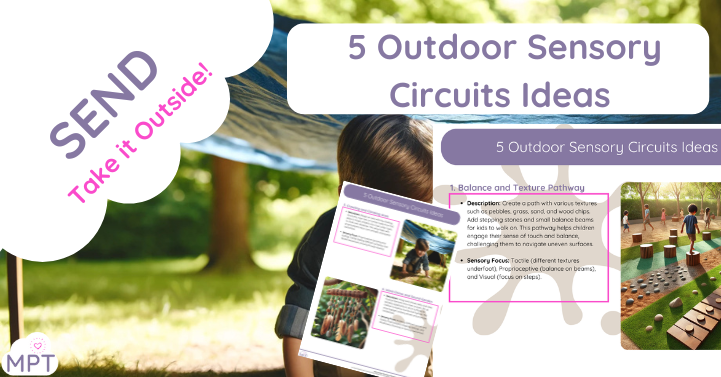
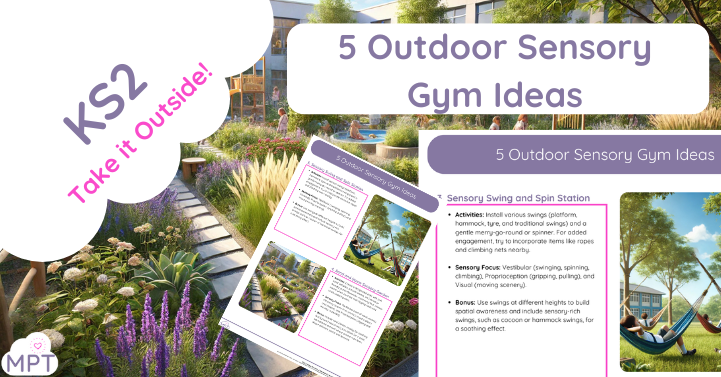
You can take a 60-day free trial and start downloading resources today. For some children, it may mean starting the maths lesson with some sensory ideas first – try these 5 top sensory gym outdoor ideas. 

Outdoor Sensory Gym Ideas for Children

Download the Outdoor Dyscalculia Handbook

If you want a practical, low-pressure way to support children with dyscalculia, the Outdoor Dyscalculia Handbook is a brilliant place to start.

It helps you use movement, nature, real objects and outdoor play to support number sense, maths confidence and understanding.

Head to our SENDCO-created SEND Outdoor Activity Hub for more ideas.

FAQs

What is dyscalculia?

Dyscalculia is a specific learning difficulty that can affect a child’s understanding of number, quantity, counting, time, patterns, calculation and maths confidence.

How can outdoor learning help children with dyscalculia?

Outdoor learning can help children with dyscalculia by making maths more practical, visual and hands-on. Children can use real objects, movement and nature to explore number and maths concepts in a calmer way.

What are outdoor maths activities for dyscalculia?

Outdoor maths activities for dyscalculia are practical activities that support number sense, sorting, counting, comparing, pattern-making, spatial awareness and maths vocabulary using outdoor spaces and natural materials. Start now with a 60-day free trial. 

Is outdoor maths good for children with maths anxiety?

Yes. Outdoor maths can reduce pressure by moving learning away from worksheets and timed tasks. It allows children to explore maths through movement, play and real-world experiences.

Can this handbook be used for SEND maths interventions?

Yes. The Outdoor Dyscalculia Handbook is useful for SEND maths interventions, nurture groups, small-group support, early years provision, KS1 and KS2 classrooms. Head to our SENDCO-created SEND Outdoor Activity Hub for more ideas.

Do I need lots of maths equipment?

No. You can start with simple natural objects such as leaves, stones, sticks, cones, chalk or outdoor spaces. The focus is on helping children understand maths through real experiences.

You need a subscription to download this file. Log in/Upgrade or Take a 60 Day Free Trial. Feel free to Send us a message if you need help.

New in