
Outdoor Learning Emotions Intervention
Nurture emotional growth in nature’s classroom.
Support children’s emotional development through the power of outdoor learning. The Outdoor Learning Emotions Intervention is a thoughtfully designed program that combines evidence-based emotional regulation strategies with hands-on activities in natural environments. Perfect for educators, therapists, and support staff, this resource helps children explore, understand, and manage their emotions through meaningful outdoor experiences.
Each session is crafted to build emotional literacy, boost self-esteem, and develop key social skills—all while encouraging movement, curiosity, and connection with the natural world. Activities include mindfulness walks, sensory-based exploration, creative expression, and guided group discussions, all aligned with emotional targets such as identifying feelings, managing anxiety, and developing empathy.
Ideal for:
-
Primary and early years educators
-
SENCOs and behavior specialists
-
Forest school leaders and outdoor practitioners
Includes:
-
Step-by-step session guides
-
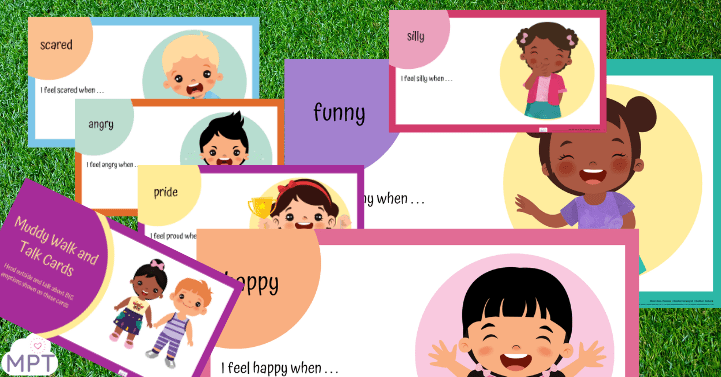
Printable visual supports and emotion cards
-
Reflection prompts and progress tracking tools
-
Adaptations for diverse needs and abilities
Take emotional learning outside the classroom—because sometimes the best place to find calm is under the open sky.
Taking Emotions Outside: How Outdoor Learning Supports Emotional Wellbeing in Children
In today’s fast-paced, screen-saturated world, helping children develop emotional awareness and resilience is more important than ever. One powerful yet often overlooked tool for emotional development? Outdoor learning.
Taking emotions outside doesn’t just offer a change of scenery—it creates a whole new space for connection, self-regulation, and healing.
What Is Outdoor Learning?
Outdoor learning refers to educational experiences that happen beyond the traditional classroom—often in natural settings like school grounds, parks, or woodland areas. These experiences are intentionally planned to promote not only academic growth but also personal, social, and emotional development.
“The best classroom and the richest cupboard is roofed only by the sky.”
— Margaret McMillan
Want to dive into the benefits of outdoor education? Check out our full guide to outdoor learning.
Why Take Emotions Outside?
When children are supported to explore their feelings outdoors, they benefit from a unique combination of movement, sensory input, and space that supports emotional regulation. Here’s how:
1. Nature Calms the Nervous System
Natural environments have been shown to lower stress levels and support mental health. According to a study by the University of Exeter, time spent in nature is linked to improved mood, reduced anxiety, and greater overall wellbeing.
Outdoor learning provides natural sensory input—the rustle of leaves, birdsong, the feel of grass underfoot—all of which help children self-regulate and feel grounded.
2. Movement Supports Emotional Release
Physical activity is a proven way to release tension and improve emotional processing. Climbing, digging, running, or simply walking can all help children move through big feelings in safe and healthy ways.
3. Space Creates Safety
Unlike indoor classrooms, outdoor spaces allow for physical and emotional freedom. Children have room to breathe, express themselves, and engage with their emotions without the pressure of confinement or overstimulation.
Practical Ideas for Outdoor Emotional Learning
Ready to integrate emotional development into your outdoor sessions? Here are a few simple, powerful activities:
-
Feelings Walk: Pair nature observation with emotional literacy. “What does the wind feel like today? Can you match that to a feeling you’ve had this week?”
-
Emotion Stones: Collect stones and paint or draw emotions on them. Use these for storytelling or check-ins.
-
Nature Mandalas: Use leaves, sticks, and flowers to create a mandala that represents how the child is feeling.
-
Mindfulness Moments: Introduce simple breathing or grounding exercises while sitting beneath a tree or lying on the grass.
Need structured support? Our Outdoor Learning Emotions Intervention offers ready-to-use sessions that blend emotional literacy with engaging outdoor play.
Supporting SEN and Neurodiverse Learners
Outdoor learning can be especially effective for children with SEND or those who struggle in traditional settings. Nature provides a low-stimulus, high-sensory environment that helps reduce overwhelm and increase engagement.
We offer resources tailored for diverse needs in our SEN & Inclusion Resources section.