
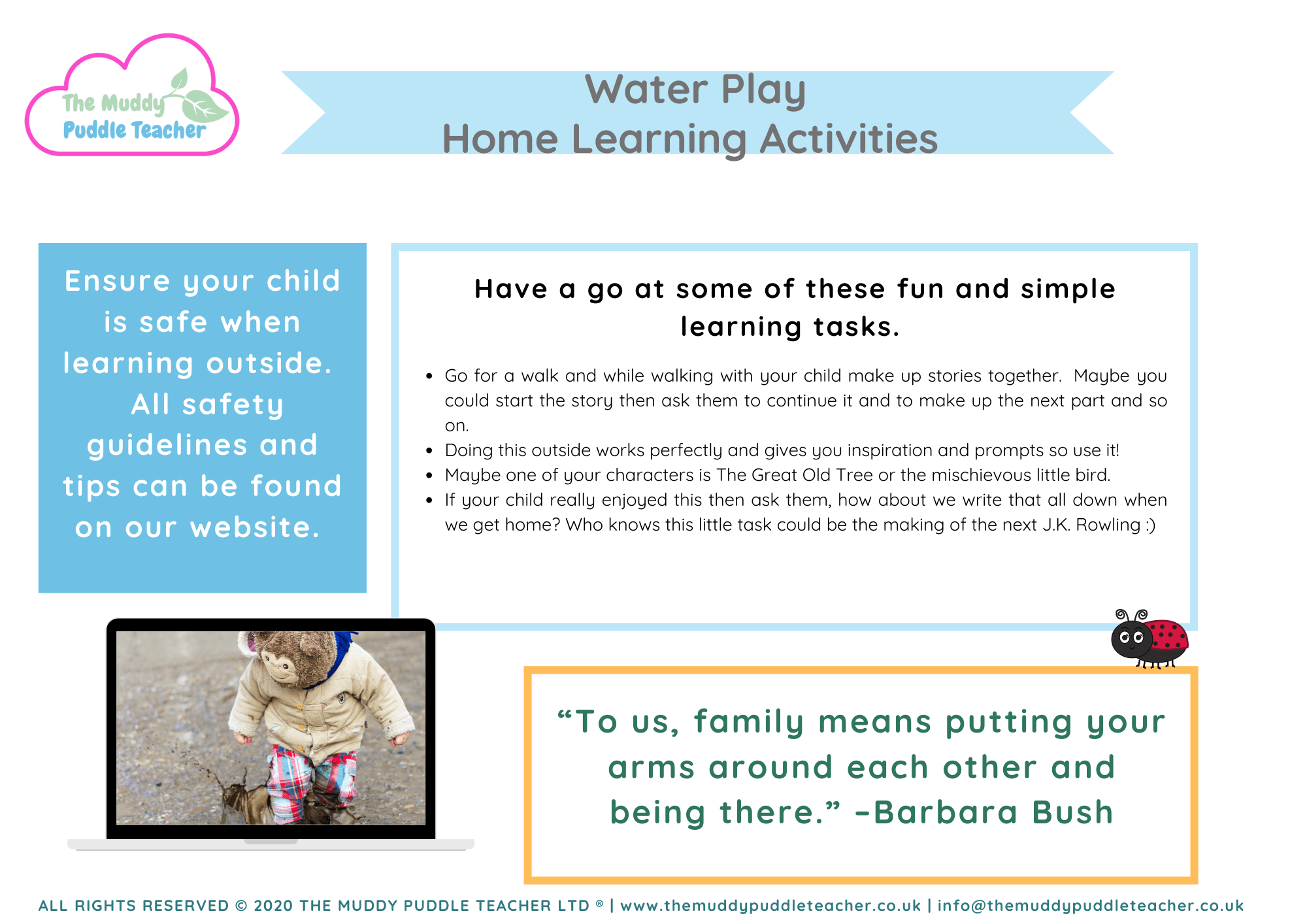
Looking for simple water and bubble play ideas for babies? Water play is one of the easiest ways to support early sensory development, curiosity, communication and calm outdoor play in baby rooms, nurseries, childminding settings and at home. With a few safe resources, close supervision and a gentle set-up, babies can explore splashing, pouring, watching, reaching, touching and listening through playful water and bubble experiences. New to Early Years Outdoors? Discover The Beginners Guide to Early Years Outdoors.
New to outdoor learning? Start here
If outdoor learning with babies feels overwhelming, water and bubble play is a lovely place to begin. You do not need a big outdoor area, expensive equipment or complicated planning. A shallow tray, a bowl of water, a few safe floating objects, bubbles, cups, sponges or natural materials can create a rich sensory experience.
Download this outdoor classroom resource and 1000’s more – take a 60-day free trial.
For babies, outdoor learning is not about formal teaching. It is about noticing, responding, exploring and building warm interactions. Water and bubbles naturally invite babies to look, reach, smile, listen, move and communicate. They also give adults lots of opportunities to model simple language such as splash, pop, wet, dry, more, gone, big and little.
Keep the session short, calm and closely supervised. Babies learn best when they feel safe, unhurried and able to explore at their own pace.
Try this tomorrow
If you only do one thing, try a simple bubble watching activity. Sit babies comfortably outdoors and blow bubbles slowly so they can watch them float, fall and pop. Use gentle language, repeat key words and pause to notice how each baby responds.
Time: 5 to 10 minutes, prep: very low, learning: visual tracking, communication, attention, sensory exploration and shared joy.
This works well because it is simple, low-cost and full of interaction. Babies do not need lots of resources, they need adults who notice, respond and join in with their curiosity.
Water Play for Babies
Water play is a brilliant sensory activity for babies because it supports touch, movement, sound, sight and early communication. Babies can splash with their hands, watch ripples, feel cool water, listen to droplets, explore floating objects and notice what happens when something moves through water.
In baby rooms and early years settings, water play can be kept very simple. A shallow tray with a small amount of water, a few large safe objects, soft sponges or cups can be enough. The most important part is the adult interaction. Talk about what babies are doing, copy their sounds, name the action and give them time to explore.
Water play also supports physical development. Babies may reach, stretch, grasp, pat, kick, sit, lean and strengthen their core as they explore. For younger babies, even watching water move can be a valuable sensory experience.
For more outdor toddler activities head to the Outdoor Learning for Toddlers Hub.
Bubble Play for Babies
Bubble play is magical for babies because it combines movement, light, surprise and anticipation. Babies often watch bubbles carefully, follow them with their eyes, reach towards them, smile when they pop or look to an adult for more.
This type of play supports visual tracking, attention, social interaction and early communication. Adults can pause before blowing more bubbles, giving babies a chance to show excitement, make sounds, gesture or look towards the bubbles again.
Bubble play also works beautifully outdoors because there is space for bubbles to float, move and catch the light. It can be calming, joyful and easy to repeat across the week.
For more Baby Sensory Activities that are outdoors explore – Early Years Outdoors Texture Ideas
Sensory Play for Babies Outdoors
Water and bubble play are ideal sensory play experiences for babies because they are simple, flexible and easy to adapt. Babies can explore wet and dry, warm and cool, floating and sinking, sound and movement, light and reflection.
Outdoor sensory play does not need to be busy. In fact, babies often benefit from fewer resources and more time. A small water tray, a sponge, a floating flower, a bubble wand or a few pouring cups can create deep curiosity when adults slow down and follow the child’s lead.
This type of play can also support regulation. The feel of water, the rhythm of splashing and the gentle movement of bubbles can help some babies feel calm and engaged.
Baby Room Water Play Ideas
In a baby room, water play should always be safe, simple and closely supervised. Keep water shallow, choose age-appropriate resources and think carefully about hygiene, temperature and slips. Babies do not need large amounts of water to enjoy the experience.
You might offer a shallow splash tray, sponge squeezing with support, floating objects, water painting with chunky brushes, gentle pouring with adults, or bubble watching in the outdoor area. These small experiences help babies build confidence, curiosity and early problem-solving.
Water play can also link to daily routines. Washing dolls, cleaning outdoor toys, watering plants or exploring rain puddles can all become meaningful learning moments.
Download this outdoor classroom resource and 1000’s more – take a 60-day free trial.
Outdoor Learning for Babies
Outdoor learning for babies is about connection, sensory experiences and the freedom to notice the world. Water and bubbles are a gentle way to introduce babies to outdoor learning because they create wonder without needing complicated planning.
A baby may watch sunlight on water, listen to splashes, feel a wet sponge, notice bubbles floating in the wind or reach towards droplets on a leaf. These tiny moments matter because they build attention, language, physical development and emotional connection.
The outdoors also gives babies different sights, sounds and sensations from indoor play. Fresh air, natural light, space and changing weather all add to the learning experience.
Communication and Language Through Water Play
Water and bubble play naturally support early communication. Babies may look, point, smile, babble, vocalise or reach to show what they want. Adults can respond with simple repeated words, facial expressions and pauses.
Words such as splash, pop, wet, more, again, gone, drip, bubble, big and little are easy to model during play. Repetition helps babies begin to connect words with actions and experiences.
The key is not to overload babies with language. Keep it simple, warm and responsive. Follow what they notice, copy their sounds and give them time to respond.
Want ready-to-use baby outdoor learning ideas?
The Muddy Puddle Teacher Club helps busy nursery practitioners, childminders, baby room staff and early years teachers save planning time with ready-to-use outdoor learning resources, baby sensory ideas, toddler activities, EYFS planning, SEND-friendly support and seasonal play ideas.
If you want more water and bubble play ideas for babies, you can start your 60-day free trial today and access simple, practical and nurturing outdoor learning resources straight away.
Download this outdoor classroom resource and 1000’s more – take a 60-day free trial.
FAQs
Is water play good for babies?
Yes, water play is good for babies when it is safe, shallow and closely supervised. It supports sensory development, physical movement, communication, curiosity and early problem-solving.
For more outdor toddler activities head to the Outdoor Learning for Toddlers Hub.
What age can babies do water play?
Babies can enjoy simple water play from a young age when the activity is appropriate, calm and supervised. Younger babies may watch water, feel a damp sponge or observe bubbles, while older babies may splash, reach, pour and explore.
What are simple water play ideas for babies?
Simple water play ideas for babies include shallow splash trays, floating objects, sponge play, water painting, gentle pouring, washing toys and exploring bubbles outdoors.
Why is bubble play good for babies?
Bubble play supports visual tracking, attention, social interaction, communication and anticipation. Babies can watch bubbles move, reach for them, respond when they pop and show excitement when adults blow more.
Can babies do water play outdoors?
Yes, babies can do water play outdoors when it is safe, supervised and weather-appropriate. Outdoor water play gives babies fresh air, natural light, space and sensory experiences such as splashing, reflection, sound and movement.
How do you keep baby water play safe?
Keep water shallow, supervise closely at all times, use age-appropriate resources, check the water temperature, avoid small items, manage slips and empty water immediately after play.
How does water play support communication?
Water play supports communication because babies naturally respond with looks, sounds, gestures and movement. Adults can model simple words such as splash, pop, more, wet and again while responding to the baby’s interest.
Ready for more baby outdoor learning ideas?
Get baby sensory activities, outdoor water play ideas, EYFS baby room resources, toddler activities and ready-to-use planning inside The Muddy Puddle Teacher Club. Start your 60-day free trial today and make outdoor baby play simple, nurturing and full of curiosity.