
Iron Age Hill Forts and Tribal Societies Lesson Ideas
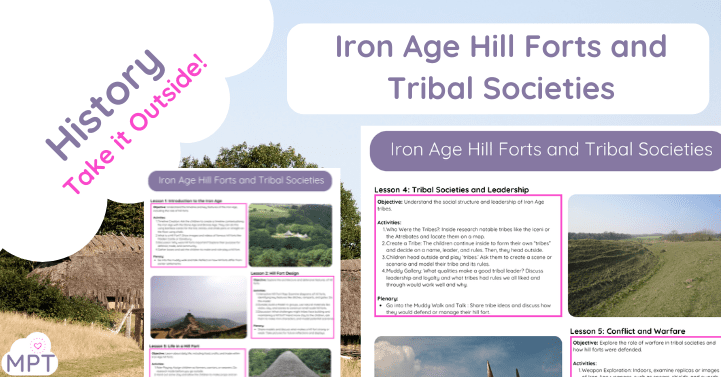
Step back in time and explore the fascinating world of Iron Age hill forts and tribal societies with this comprehensive resource. Designed for KS2 educators, this engaging lesson pack combines hands-on, outdoor activities with creative tasks to help students understand life during this pivotal period in British history.
What’s Included?
- Hill Fort Construction: Build small-scale models of hill forts using natural materials, exploring their defensive features and importance to tribal communities.
- Daily Life Activities: Role-play as farmers, warriors, and craftsmen to discover how people lived, worked, and thrived within hill fort settlements.
- Conflict and Warfare: Simulate battles and defence strategies while learning about the tools, weapons, and tactics of the time.
- Cultural Exploration: Understand tribal leadership, trade, and relationships between neighbouring tribes.
- Interactive Timeline: Use natural objects to map the transition from the Bronze Age to the Iron Age.
Key Features:
- Outdoor Learning Focus: Incorporates natural and sustainable materials, encouraging creativity and hands-on exploration.
- Cross-Curricular Integration: Links history with geography, art, and teamwork for a holistic learning experience.
- Student-Centred Approach: Promotes collaboration, critical thinking, and problem-solving skills.
Learning Outcomes:
- Understand the significance of hill forts in Iron Age Britain.
- Explore the roles, responsibilities, and challenges of Iron Age communities.
- Develop historical inquiry and creativity through interactive activities.
Engaging children in history through outdoor learning experiences offers a dynamic approach that enriches their understanding and fosters a deeper connection to the past. By stepping beyond traditional classroom settings, students can immerse themselves in historical contexts, making learning both tangible and memorable.
The Benefits of Outdoor Historical Learning
- Enhanced Engagement and Curiosity: Visiting historical sites or participating in reenactments allows children to experience history firsthand. This sensory immersion stimulates curiosity and encourages active participation, leading to a more profound interest in historical events and figures.
- Development of Critical Thinking Skills: Outdoor learning environments present real-world scenarios that challenge students to analyze and interpret historical evidence. This hands-on approach promotes critical thinking and problem-solving abilities, essential skills in understanding complex historical narratives.
- Improved Retention and Understanding: Experiential learning, such as exploring Iron Age hill forts or engaging in archaeological activities, helps students retain information more effectively. By connecting physical experiences with historical knowledge, children can better recall and comprehend historical facts and concepts.
- Promotion of Social Skills and Teamwork: Group activities conducted in outdoor settings encourage collaboration and communication among students. Working together to solve historical puzzles or recreate historical events fosters teamwork and enhances social interactions.
- Connection to the Environment and Cultural Heritage: Learning history outdoors often involves exploring natural landscapes and historical sites, fostering a connection to the environment and an appreciation for cultural heritage. This approach instils a sense of responsibility towards preserving historical landmarks and the natural world.The Early Years Network
Implementing Outdoor Historical Learning
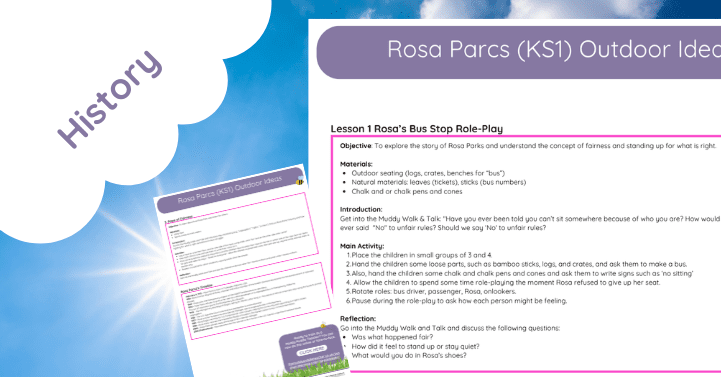
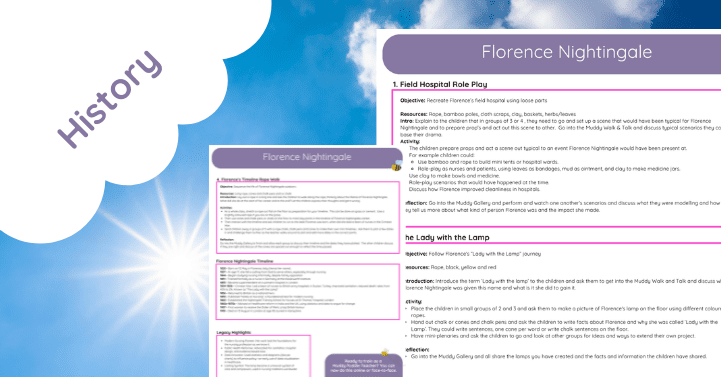
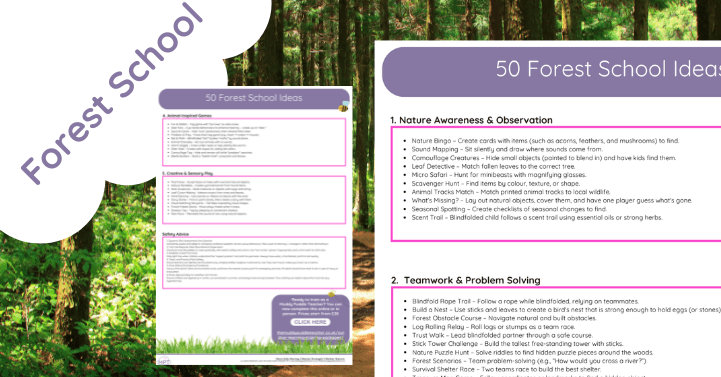
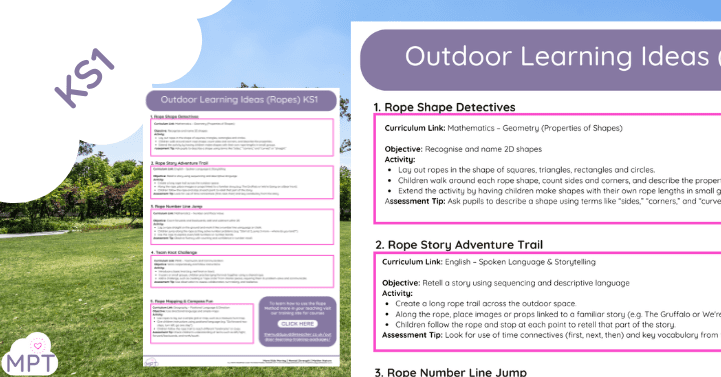
To effectively integrate outdoor learning into history education, educators can utilize resources like the Muddy Puddle Teacher’s Guide on Iron Age hill forts and tribal societies. This guide offers practical activities encouraging exploration and hands-on learning, making history accessible and engaging for children.
Additionally, collaborating with local museums and historical sites can provide students with opportunities to engage with history in their communities. Programs that offer interactive experiences, such as role-playing or artefact handling, can further enrich students’ understanding and appreciation of history.
Conclusion
Incorporating outdoor learning into history education transforms the subject from a static study of the past into a dynamic exploration of human experiences. By engaging children in outdoor historical activities, educators can inspire a lifelong interest in history and equip students with critical skills beyond the classroom.
For more information on the benefits of outdoor learning and practical resources, consider exploring the following: