
a

Training & Resources

muddy puddle teacher logo

The Muddy Puddle Teacher ®

Leading with Outdoor Learning and Outdoor Play

Home 9 Outdoor Learning Resources 9 Reception 9 Early Years Spring Art Activities
spring art

Early Years Spring Art Activities

Download

Early Years Spring Art Activities for Outdoor Learning

Looking for simple Early Years spring art activities you can take outdoors? Spring is a wonderful time to help young children notice colour, texture, growth, weather, flowers, minibeasts and seasonal change through creative outdoor learning. Are you new to outdoor play in the Early Years? Explore our Beginners Guide to Outdoor Play. 

Spring art works beautifully in EYFS because children can explore real natural materials, talk about what they see, create with their hands and make meaningful links to the world around them.

Whether you have a nursery garden, playground, small yard, field, woodland area or outdoor classroom, spring art is a simple way to make learning active, sensory and joyful. 


New to Outdoor Learning? Start Here

If outdoor learning feels overwhelming, start small.

You do not need a huge space, expensive art materials or a full afternoon of planning. Begin with one short spring art activity, one colour hunt or one nature-inspired creative task.

The key is to make it manageable. Choose one idea, try it with your children, then build from there.

Outdoor learning is not about changing everything overnight. It is about giving children real experiences that help them look closely, talk confidently, create freely and connect with nature. For more Early Years Outdoor Play Ideas, head to the EYFS Outdoors Hub


Try This Tomorrow

If you only do one thing, try this:

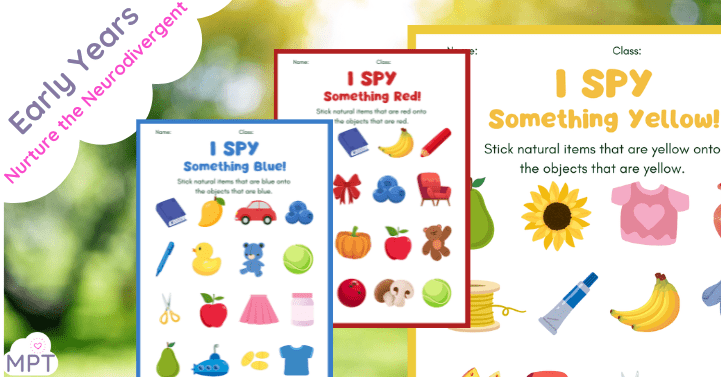
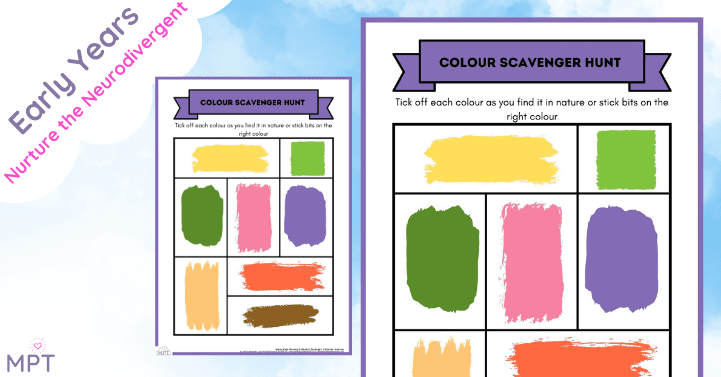
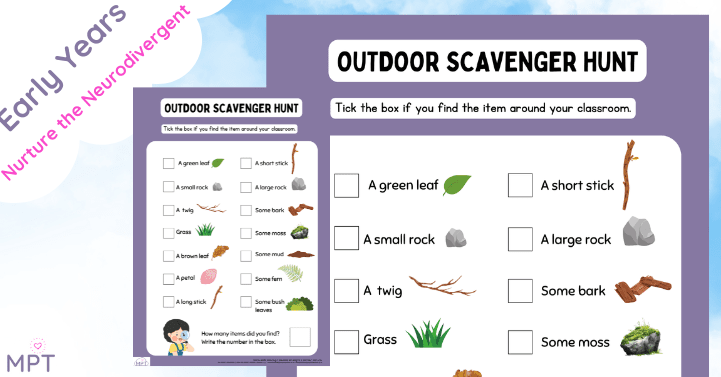
Spring Colour Hunt and Nature Picture

Take the children outside and ask them to look carefully for spring colours. They might notice yellow daffodils, green leaves, pink blossom, white petals, brown soil or blue sky.

Invite them to collect only fallen natural items, then use them to create a simple picture on the ground, on a tray or on a large piece of paper.

Time: 15–20 minutes
Prep: Low
Learning: Colour recognition, observation, creativity, fine motor skills, understanding the world

Bring the children back together and ask, What colours did you find? Which colours made you think of spring? What did you create? What did you notice outside today?

This gives children a simple creative experience linked to the real season happening around them. Make a start, download this resource and thousands more – take a 60-day free trial.


Why Spring Art Works So Well Outdoors

Spring art works beautifully outdoors because children can create with the season, not just about the season.

Instead of only looking at pictures of flowers, leaves, nests or minibeasts, children can see them, touch them, smell them, talk about them and use them as inspiration for their artwork.

Outdoor spring art can support communication and language, physical development, expressive arts and design, understanding the world, sensory exploration, fine motor skills, confidence and wellbeing.

For many young children, creativity becomes more meaningful when it starts with a real experience.

A walk to notice blossoms can lead to painting, a minibeast hunt can lead to drawing, a puddle can inspire mark-making, and a patch of flowers can lead to colour mixing. Looking for inspirational outdoor play ideas?  Explore Outdoor Early Years Rainbow Activities.

Outdoor Play: Rainbow Activities EYFS


Early Years Spring Art and Expressive Arts

Spring gives children so many natural starting points for creative work.

Children can explore colour, line, shape, texture, pattern and form through real outdoor experiences.

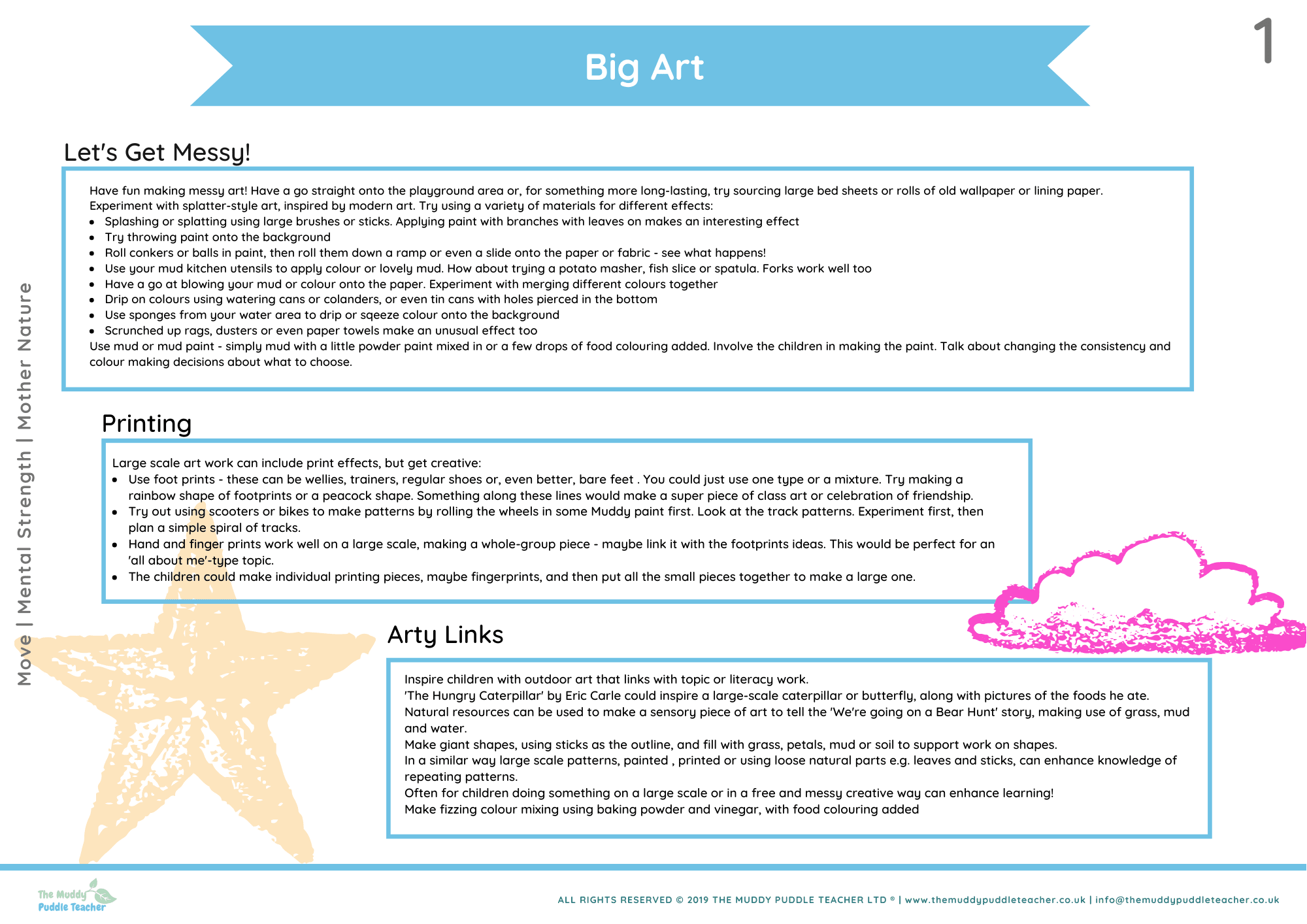
They might create flower pictures with petals, make mud marks, draw blossom with chalk, print with leaves, make spring crowns, create transient art on the ground or use natural materials to build a spring scene.

The most powerful part is the process, not the finished product.

Early years art should give children time to experiment, make choices, talk about their ideas and explore materials in their own way.

Outdoor learning supports this because it gives children space, freedom and inspiration.


Spring Art and Communication

Outdoor spring art is a lovely way to build vocabulary and speaking confidence.

Children can describe what they see, explain what they are making, compare colours, talk about textures and share their ideas with friends.

Useful words might include bright, soft, smooth, rough, delicate, fresh, growing, blooming, tiny, colourful, natural, pattern, petal, leaf, stem, blossom and spring.

Because children are working with real objects, the language has meaning. They are not just repeating words. They are using them to describe something they have noticed, held or created.

This can be especially helpful for quieter children or children who need a practical reason to talk.


Spring Art and Fine Motor Skills

Spring art can support fine motor development in a very natural way.

Children might pick up tiny petals, arrange leaves, press natural materials into clay, hold chalk, grip paintbrushes, tear paper, squeeze mud, thread flowers or carefully place loose parts into a pattern.

These small movements help build control, strength and coordination.

Outdoor art also allows children to work on a bigger scale. They can use whole-arm movements to paint with water, draw large chalk flowers, create giant nature pictures or make patterns across the playground.

This mix of small and large movements is ideal for early years physical development. For more Early Years Outdoor Play Ideas, head to the EYFS Outdoors Hub


Spring Art and Understanding the World

Spring art is not just creative. It also helps children notice seasonal change.

As children make art outdoors, they can talk about plants growing, buds opening, birds nesting, minibeasts appearing, warmer weather, rain, sunshine and new life.

This helps children connect creativity with early science and nature knowledge.

You might ask, What has changed since winter? What is growing now? What colours can we see in spring? What do plants need? What tiny creatures can we find?

These simple questions help children become curious observers of the natural world.


Spring Art in Continuous Provision

Early Years spring art works well as part of outdoor continuous provision.

You can create a small creative area with chalk, water, brushes, clipboards, natural loose parts, petals, leaves, sticks, mud, clay or recycled materials.

Children can return to the area throughout the week, revisit their ideas and develop their creations over time.

You do not need to put out everything at once. A few thoughtful materials, changed regularly, can be far more effective than too much choice.

The aim is to invite children to notice, explore and create, not to complete a set craft.


Want Ready-Made Early Years Spring Resources?

If you like the idea of taking spring art outdoors but want ready-to-use resources, The Muddy Puddle Teacher® membership can help.

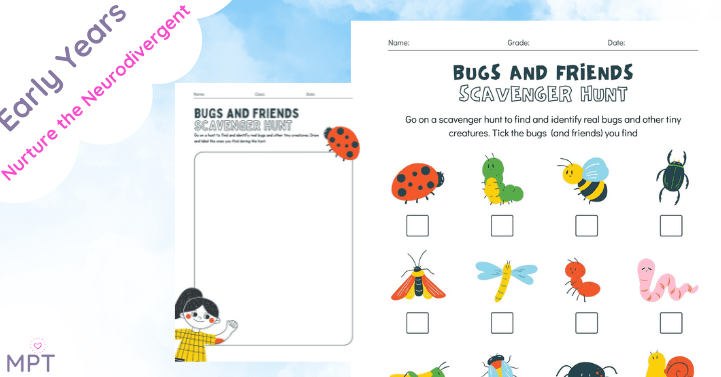
Inside the membership, you’ll find over 1,000 resources, including Early Years outdoor learning, spring activities, outdoor art ideas, outdoor play resources, outdoor phonics, outdoor maths, SEND interventions, Forest School-style planning, seasonal resources and continuous provision ideas.

Everything is designed to save you time and help you make learning active, inclusive and curriculum-linked.

Make a start, download this resource and thousands more – take a 60-day free trial.

For more Early Years Outdoor Play Ideas, head to the EYFS Outdoors Hub


FAQs About Early Years Spring Art

What are Early Years spring art activities?

Early Years spring art activities are creative experiences linked to spring, nature and seasonal change. They might include flower art, leaf printing, mud painting, chalk drawings, nature pictures, blossom-inspired art or outdoor transient art.

Why is spring good for outdoor art?

Spring is good for outdoor art because children can see real changes happening in nature. Flowers, leaves, blossom, minibeasts, birds, rain and sunshine all provide meaningful inspiration for creative work.

How can I teach spring art outdoors?

You can teach spring art outdoors by starting with a short walk, a colour hunt, a nature observation activity or a simple creative invitation using natural materials, chalk, mud, water, clay or paint.

Do I need lots of resources for outdoor spring art?

No. You can start with simple materials such as chalk, water, brushes, leaves, petals, sticks, mud, paper, clay or recycled resources.

Can spring art support EYFS learning?

Yes. Spring art can support expressive arts and design, communication and language, physical development, understanding the world, sensory exploration, wellbeing and fine motor skills.


Final Thoughts

Early Years spring art does not need to be complicated.

Start with one short outdoor creative activity. Let children notice the colours, textures, sounds and changes of spring, then give them time to create in their own way.

Outdoor learning helps children see that art is not just something that happens at a table. It can grow from real experiences, natural materials and the world around them.

Muddy best wishes,
Sarah
Founder of The Muddy Puddle Teacher®

You need a subscription to download this file. Log in/Upgrade or Take a 60 Day Free Trial. Feel free to Send us a message if you need help.

New in