

What is Outdoor Learning? A Guide for Early Years and Primary Teachers
Outdoor learning is a way of teaching that uses the outdoors to help children learn, move, talk, explore, investigate and make sense of the world around them. It is not just playtime, forest school, PE, a sunny-day treat, or something that only happens when you have a perfect outdoor classroom. Outdoor learning can be part of everyday teaching in early years, KS1 and KS2. New to this area? Start by exploring The Beginners Guide to Outdoor Learning.
For early years practitioners and primary teachers, outdoor learning does not need to feel like another job on the list. You do not need a huge field, expensive equipment or complicated planning. A playground, nursery garden, school field, small yard, local park or patch of grass can all become powerful learning spaces. If you are new to Early Years, discover The Beginners Guide to Early Years Outdoors.
At The Muddy Puddle Teacher®, we believe outdoor learning should be simple, inclusive and linked to real teaching. It should help children become happier, healthier and more confident learners, while giving teachers practical ways to make lessons more active, calm and memorable.
If you are new to outdoor learning, this guide will help you understand what it is, why it matters and how to start using it in a realistic way. Make a start teaching lessons outdoors now: visit the Outdoor Learning Activities Hub.
What does outdoor learning mean?
Outdoor learning means using outdoor spaces as part of teaching and learning. It can include child-led play, curriculum lessons, nature exploration, movement, problem-solving, sensory experiences, wellbeing activities, investigation and practical learning.
In early years, outdoor learning might look like children digging, pouring, balancing, climbing, mark-making, building, transporting, creating stories, exploring mud, water, leaves, sticks and stones, or using their bodies to understand space, number and language. For more outdoor play resources, head to the Early Years Outdoor Hub.
In primary schools, outdoor learning might look like phonics hunts, active maths, story trails, science investigations, geography fieldwork, nature art, team challenges, outdoor writing, history drama, wellbeing walks or practical problem-solving.
The important thing is that outdoor learning is not separate from the curriculum. It is another way to teach the curriculum. For more idea on how taking lessons outdoor looks, explore The Outdoor Lesson Hub.
No Results Found
The page you requested could not be found. Try refining your search, or use the navigation above to locate the post.
Why is outdoor learning important?
Children are not designed to sit still all day. Many children learn best when they can move, touch, talk, build, test, notice and experience things for themselves.
Outdoor learning gives children space to be active, curious and independent. It can support communication, confidence, physical development, teamwork, creativity, problem-solving, emotional regulation and wellbeing. There is plenty of research on the benefits of outdoor learning and play; explore these articles: “The Benefits of Outdoor Learning.“The Benefits of Outdoor Learning. What is the evidence?
For some children, outdoor learning also removes pressure. A child who struggles to sit on the carpet may focus better when they can move. A child who finds writing hard may tell a richer story while walking outside. A child who becomes overwhelmed indoors may feel calmer with space, fresh air and natural materials. We provide lots of support for helping indivduals needs create calm outdoors, try exploring: The Beginner’s Guide to SEND Outdoors.
This is why outdoor learning is not just a nice extra. Used well, it can support inclusion, behaviour, wellbeing and curriculum learning.
Outdoor learning in early years
Outdoor learning is especially powerful in early years because young children learn through play, movement, relationships and real experiences.
An early years outdoor space does not need to be perfect. It does not need to be filled with expensive equipment or Pinterest-style trays. Children often learn more deeply when they have open-ended resources, space, time and adults who understand how to support play. Explore The Beginner’s Guide to Outdoor Learning in EYFS
A stick can become a wand, a bridge, a number line, a paintbrush, a story prop or part of a den. A puddle can become a science investigation, a sensory experience, a language opportunity and a problem-solving challenge.
Outdoor learning in early years can support communication and language, physical development, personal, social and emotional development, literacy, maths, understanding the world and expressive arts. We have lesson ideas to support all of the EYFS Outdoors discover more at The Early Years Outdoor Activities Hub.
The adult role matters. We do not need to control every moment, but we do need to observe, model language, extend thinking, support safe risk-taking and notice what children are showing us through their play.
Outdoor learning in primary schools
In primary schools, outdoor learning helps children experience ideas in a practical and memorable way.
In KS1, outdoor learning might include outdoor phonics, number hunts, shape trails, story walks, seasonal science, nature art, simple mapping, role play and active wellbeing tasks. Explore the Outdoor Learning KS1 Hub.
In KS2, outdoor learning can support measuring, data collection, science enquiries, map work, debate, drama, environmental learning, outdoor writing, active revision and team challenges. Discover the Outdoor Learning KS2 Hub.
Outdoor learning can still be structured. You can have a clear learning intention, model the task, let children explore and then bring them back together to reflect. It does not mean losing control or letting the lesson become chaotic.
The difference is that children are not just hearing about learning or filling in a worksheet. They are doing it, seeing it, feeling it and applying it
Free Outdoor Learning Podcast
No Results Found
The page you requested could not be found. Try refining your search, or use the navigation above to locate the post.
Examples of Outdoor Learning
Outdoor learning can look different in every setting. Here are some common examples:
🌿 Forest School
Long-term, child-led sessions in woodland environments focused on confidence, independence, and exploration.
🌿 Curriculum-Based Outdoor Lessons
Teaching subjects like maths, English, and science outside using practical, real-world activities. There are many outdoor events that also link to the curriculum to help you deliver meaningful sessions.
🌿 Outdoor Play in Early Years
Play-based learning outdoors that supports development across all EYFS areas.
🌿 SEND Outdoor Learning
Using outdoor environments to support children with additional needs, helping with regulation and engagement.
🌿 School Grounds Learning
Using playgrounds and outdoor spaces to deliver lessons and activities.
Browse the posts below to see our Forest School activities and lesson ideas.
No Results Found
The page you requested could not be found. Try refining your search, or use the navigation above to locate the post.
Outdoor Learning in Different Settings
Outdoor learning is flexible and can be adapted to a wide range of environments:
- Schools and academies
- Early years settings and nurseries
- SEND and specialist provisions
- Childminding settings
- Alternative provision
Looking to discover what an actual outdoor classroom looks and feel like? Discover what an outdoor classroom looks like.
Outdoor learning can look different depending on what part of the UK you are in. Explore how Outdoor Learning happens in Scotland.
It does not require large forests or specialist locations—any outdoor space can become a learning environment. courses near you.
How to Get Started with Outdoor Learning
Getting started with outdoor learning doesn’t need to be complicated:
- Start small—take one lesson outside
- Use natural materials like sticks, leaves, and stones
- Follow children’s interests
- Focus on simple, hands-on activities
- Build confidence gradually
- Consistency is key—regular outdoor learning has the greatest impact. Learn more about how to create an Outdoor Classroom.
One easy way to make a start is to join in with Outdoor Classroom Day an event dedicated to a full day teaching and learning outdoors.
Outdoor Learning FAQs
What is outdoor learning?
Outdoor learning is learning that takes place outside the classroom using natural environments to support hands-on, experiential education. Explore more information on outdoor learning approaches.
Is outdoor learning part of the curriculum?
Yes, outdoor learning can support all areas of the curriculum, including maths, English, science, and EYFS development.
Is outdoor learning safe?
Yes, when properly planned with risk assessments and trained staff, outdoor learning is safe and highly beneficial. Learn more about what Ofsted think about Outdoor Learning.
Does outdoor learning require special equipment?
No, many activities use natural materials. Simple, flexible resources can enhance learning but are not essential.
Who is outdoor learning for?
Outdoor learning is suitable for all ages, from early years through to adults.
What is the best apporach to teaching outdoors?
Taking lessons outdoors is not as simple as most think especially if you want to ensure lessons go outside for the purpose of being outdoors. This is why at The Muddy Puddle Teacher we have a specific approach to ensue quality of learning and lessons. Explore outdoor learning approaches here.
Does outdoor learning look different from early years to KS2?
Yes, outdoor learning does not look the same in early years as it does in KS1 & KS2. Early Years shoule be more play-based and child led. Read more around this by clicking on these articles KS1 Outdoors, KS2 outdoors and early years outdoors.
Why Choose The Muddy Puddle Teacher?
At The Muddy Puddle Teacher, we specialise in outdoor learning training, programmes, and resources that are practical, inclusive, and impactful.
We support:
- Schools and early years settings
- SEND and specialist provisions
- Childminders and practitioners
Our approach combines outdoor learning with simple, effective strategies that work in real settings. Download our resources or explore our many training options.
Outdoor Learning Training
Outdoor learning is more than just being outside—it’s a powerful approach that supports engagement, wellbeing, and meaningful learning.
By stepping beyond the classroom, children gain the opportunity to explore, discover, and thrive in ways that traditional environments cannot always offer.
Ready to get started with outdoor learning? Explore more outdoor learning training options.
Click on the posts below to discover all of our many trainign oiption for school, nurseries and home settings.
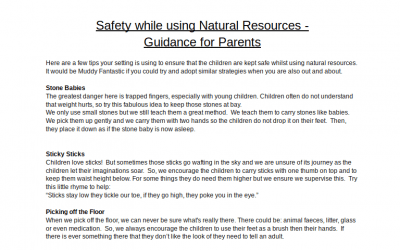
Outdoor Learning Parent Safety Information Sheet
Use our Outdoor Learning Parent Safety Information Sheet to help update your parents on safe, fun routines when out and about.
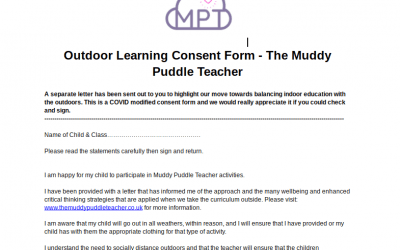
Outdoor Learning Parent Consent Form
Use our Parent Consent Form to inform and get permission from parents to use our much loved outdoor learning approach.
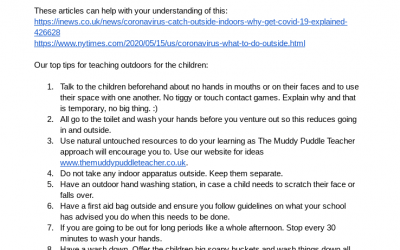
Outdoor Learning COVID Support Pack
Let us help with our Outdoor Learning COVID Support Pack to give you guidance and reassurance of best practice when outside.